
How much does a small business website cost?
A DIY builder costs from about $17 a month. A freelancer typically charges $1,500 to $5,000 and an agency $6,000 or more. Here's what you get at each price.
4 min read
The questions small-business owners ask us most, answered in plain English.
Newest first
A DIY builder costs from about $17 a month. A freelancer typically charges $1,500 to $5,000 and an agency $6,000 or more. Here's what you get at each price.
4 min read

Most need five: home, services, about, contact and a privacy policy. Add reviews, an FAQ, pricing or a blog only when each answers a real customer question.
5 min read

Download your Etsy listings, import them into Shopify, set up payments, shipping and taxes, then tell your buyers. Most small shops move in two to three weeks.
6 min read

Yes, and many sellers do. Etsy brings new shoppers and your own store keeps repeat buyers. The hard part is syncing stock so you never sell one item twice.
4 min read

Roughly $500 to $2,500 for a freelancer to set up a ready-made theme, and $10,000 or more for an agency's custom build. Here's what moves the price.
4 min read

In Gmail, open Settings, See all settings, then Signature. In Outlook, open Settings, Accounts, then Signatures. Here's every step, plus phones and fixes.
4 min read

Show it about 150 to 250 pixels wide and no more than 80 tall, but save the file at twice that size so it stays sharp. Use a PNG under about 50 KB.
4 min read
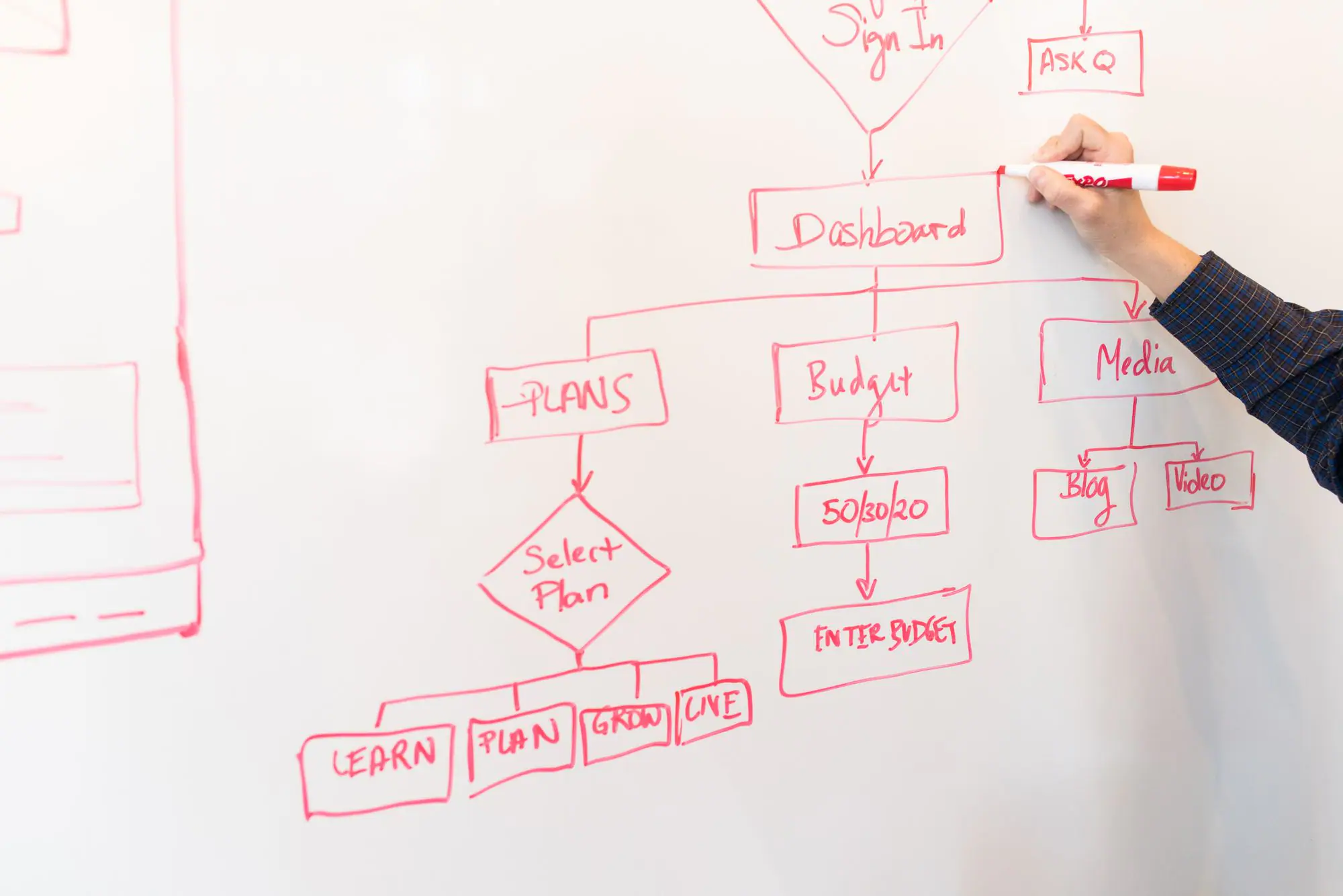
Zapier is the easiest to start with, Make costs less as workflows grow, and n8n suits teams with someone technical. Here's how prices and limits compare.
5 min read

Both are free. On Instagram, use Automations in Meta Business Suite. On WhatsApp, use the Business app's greeting and away messages. Steps and templates inside.
5 min read

A website covers your whole business. A landing page has one job, like getting calls or bookings. If you need results quickly, start with the landing page.
6 min read

Short videos of a presenter talking to camera about a product, in the style of a creator's phone video, where the presenter is made with AI.
5 min read

Start on a ready-made theme if you want to sell soon on a sensible budget. Go custom when the look of the shop is part of what customers pay for.
5 min read

Not strictly, but it's the cheaper order. The logo sets your colours and fonts, and the website, signature and ads all borrow from it.
5 min read

It's software doing a repetitive job for you, like copying a form into a spreadsheet and sending the reply. No robots, just your apps passing information along.
5 min read

If you mainly sell products online, a Shopify store can be your whole website. If you sell your time or a service, you need a website instead.
5 min read

Often, yes. They cost less than a shoot and take days, not weeks, so you can test more ideas. They work less well when people need to see a product used for real.
5 min read
A monthly plan (from $39 in the US, £25 in the UK), card fees per sale, paid apps and theme, and the one-off cost of the build. Here's every line of the bill.
6 min read

An email signature is the block of details at the end of every email you send. People see it more often than your website, so keep it tidy.
5 min read

If people ask the same questions on WhatsApp or Instagram, a chatbot helps. If they ask on your website, a clearer FAQ page is often enough, and cheaper.
5 min read
Say what you do, who it's for and how to get started, all in the first screen. Then add proof, a short list of services and one clear next step.
5 min read

A good brief fits on one page: who buys, why they buy, what makes them hesitate and what you want them to do next. Here's a template to copy.
5 min read

You keep more of each sale and own your customer list, but Etsy stops sending you shoppers. Plan how people will find your shop before you move.
6 min read

Blurry on a phone, unreadable as a small icon, or impossible to print in one colour. How to tell whether yours needs a tidy-up or a fresh start.
4 min read

Enquiry replies, booking reminders, invoice follow-ups, lists that stay in sync and a weekly sales summary: what each one saves and what it needs.
4 min read