The short answer
A DIY builder costs from about $17 a month. A freelancer typically charges $1,500 to $5,000 and an agency $6,000 or more. Here's what you get at each price.
"How much is a website?" is a bit like "how much is a car?". The honest answer is a range, and where you land depends on what you need it to do and who builds it. Below are typical prices for each route, what pushes a price up, and what you'll keep paying after launch, so you can set a budget before you ask anyone for a quote.
The figures are typical market ranges from published 2026 pricing guides and the builders' own price lists, as of October 2026. They're for budgeting, not a quote.
Typical prices at a glance
- Building it yourself on Wix or Squarespace: entry plans start at about $17 to $19 a month on a yearly plan, plus your own time.
- A freelance web designer: most small business sites cost roughly $1,500 to $5,000 in the US. In the UK, freelancers commonly charge around £500 to £3,000.
- A small studio or agency: from around $6,000 in the US. A five-page site from a UK regional agency typically costs £2,000 to £6,000.
- A large custom project with online booking, accounts or lots of integrations: $15,000 and well beyond.
What you're actually paying for
The price of a website is mostly people's time, split across a few jobs:
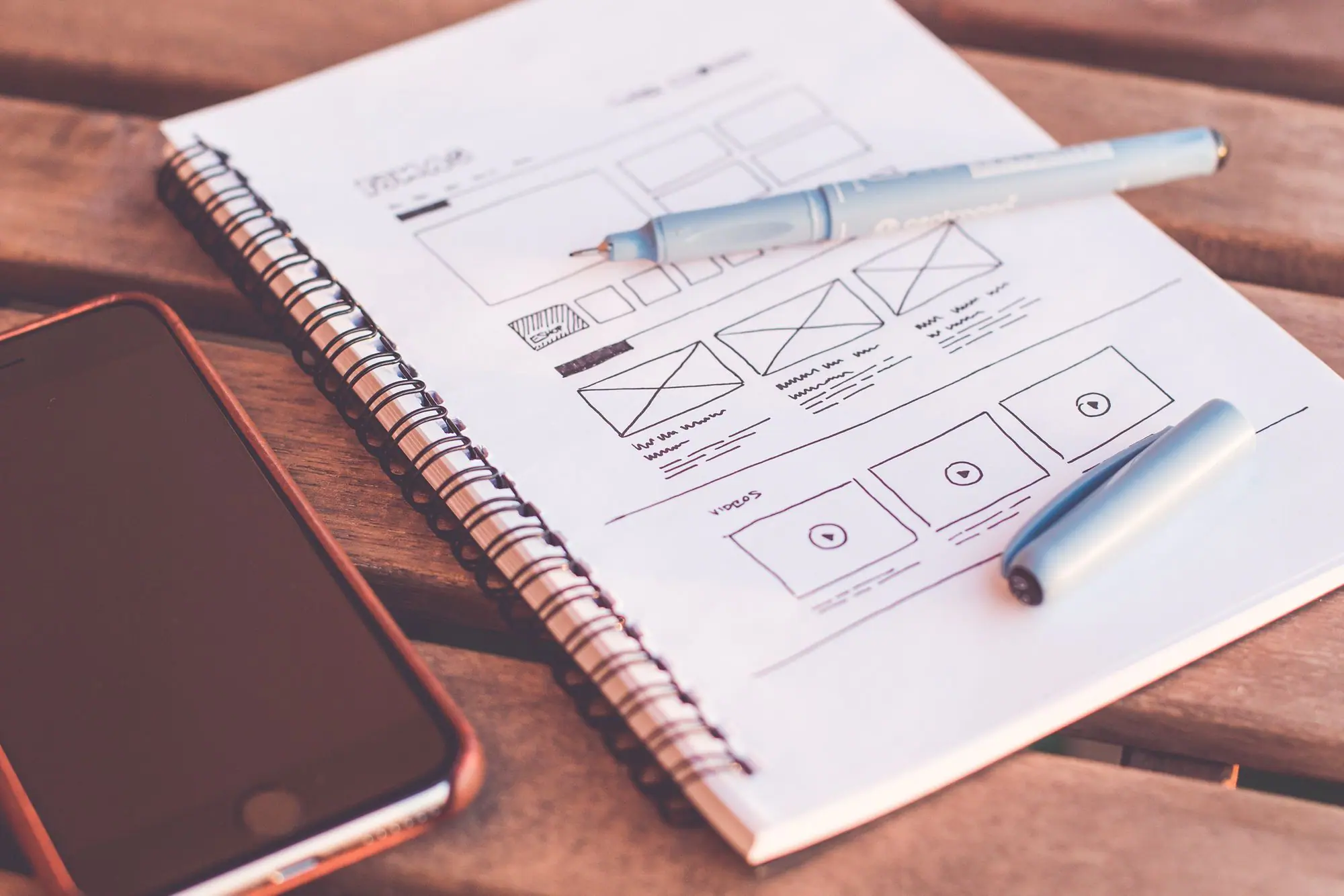
- Planning: working out what the site needs to do, which pages it needs and what goes on each.
- Writing: the words on every page. This is the part owners most often underestimate, and the part that does most of the selling.
- Design: how it looks on phones and computers, in your colours and style.
- Building: turning the design into a working site, with forms, maps and anything else it needs.
- Setup: connecting your domain, email, analytics and Google Search Console, and making sure search engines can read it.
A cheap quote usually leaves out one or more of these, most often the writing and the setup. Before comparing prices, check what each one includes.
What makes a website cost more
- More pages. A one-page site and a twenty-page site are different jobs.
- Custom design instead of a ready-made template.
- Having the words written for you.
- Features: online booking, payments, member logins, several languages.
- Connections to other tools, like your booking system, CRM or accounting software.
- Moving content over from an old site.
- A tight deadline.
What does a website cost to run each month?
The build is a one-off cost. These are the ongoing ones:
- Your domain name, paid yearly. Usually a small cost.
- Hosting, which keeps the site online. Website builders include it in their monthly plan. A site built in code can often be hosted for very little.
- Business email at your own domain, usually charged per person per month by Google or Microsoft.
- Any paid tools on the site, like a booking system or form builder.
- Changes and updates, either your own time or a designer's.
Published guides put typical running costs for a small business site at roughly $30 to $200 a month, depending mostly on the tools and support you pay for. Ask anyone quoting you to list these costs before you agree to anything.
Do you need a full website?
Not always. If you need one thing to happen, like calls, bookings or sign-ups from an ad, a single landing page can do it for less money and in less time. What's the difference between a website and a landing page? explains how to choose. If you mainly sell products, do I need a website, or just a Shopify store? may save you building two things.
When is a cheap website fine?
A DIY builder is a sensible start if you're testing an idea, you're comfortable writing about your business, and you have a few spare weekends. It gets worse value when your time is worth more than the savings, when the site has to win work from competitors with better sites, or when you need it to show up on Google for searches in your area. A website that looks unfinished can cost you enquiries you never hear about.
How to get an accurate quote
- Write down the one thing the website must do: get calls, bookings, enquiries or sales.
- List the pages you think you need. What pages does a small business website need? has a starter list.
- Gather what you have: logo, photos, reviews, any text you've written.
- Find two or three websites you like and note why.
- Ask each designer for a fixed price, a list of what's included and the running costs.
- Ask who will own the domain and the site once it's paid for.
Questions to ask any web designer
- How many rounds of changes are included?
- How long will it take, and what do you need from me?
- Can I update the text and photos myself, or do I ask you?
- What happens if something breaks after launch?
- Will the site be set up for Google, with page titles, descriptions and a sitemap?
- Can I see live sites you've built for businesses like mine?
How we price a website
We don't publish prices, because the honest number depends on your business. After a free 15-minute call, we send one fixed price in a written plan, with every running cost listed. A landing page takes about two weeks and a full website two to three. We build in code rather than on a page builder, so sites load fast and cost little to host. Every build includes three rounds of changes and 30 days of free small fixes after launch. See websites and landing pages for what's included.